“What kind of clothes?”
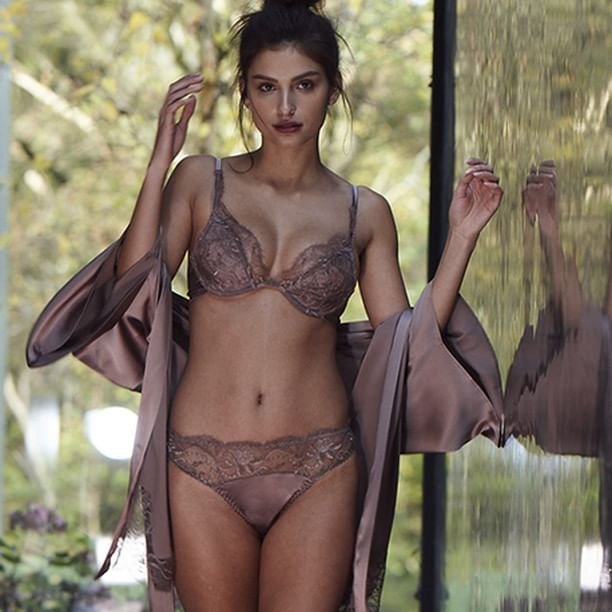
That’s the first question we ask. This is because apparel is the broadest sourcing category on the planet, and the difference between baby clothes for 0 to 10 months, ladies baggy jeans, 300gsm branded tops, gym wear, office dresses, and men’s casual shirts is the difference between five different supply chains, five different factories, and five different price points.
If you’ve landed on this guide thinking “I want to launch a clothing brand” or “I want to start importing clothes,” your first job is to narrow it. Not because the category is hard, but because the more specific you can be about what you’re sourcing, the better the answers we can give you. A reseller filling a Lagos boutique with ladies wear is doing a different job than a Houston brand owner launching a kids line, and both are doing different jobs than a Manchester gym-wear startup running their first 500-unit order.
In this blog, we provide you with the full playbook for sourcing bulk apparel from China. Pricing, where it’s made, who you’re actually buying from, the five paths to bring it to your market, and the honest budget reality. We’ll walk through it whether you’re sourcing baby clothes for a Ghana retail shop, scaling 5,000-unit jean runs out of Houston, or sourcing on behalf of three brand-owner clients at once.
Why China is still the center of global apparel manufacturing?
You’ve read the headlines about apparel manufacturing shifting to Vietnam, Bangladesh, and India. Those shifts are real. But China still makes roughly a third of the world’s apparel, and for most product types you’ll source as a small or mid-size brand, China is still the most cost-effective and operationally serious place to do it.
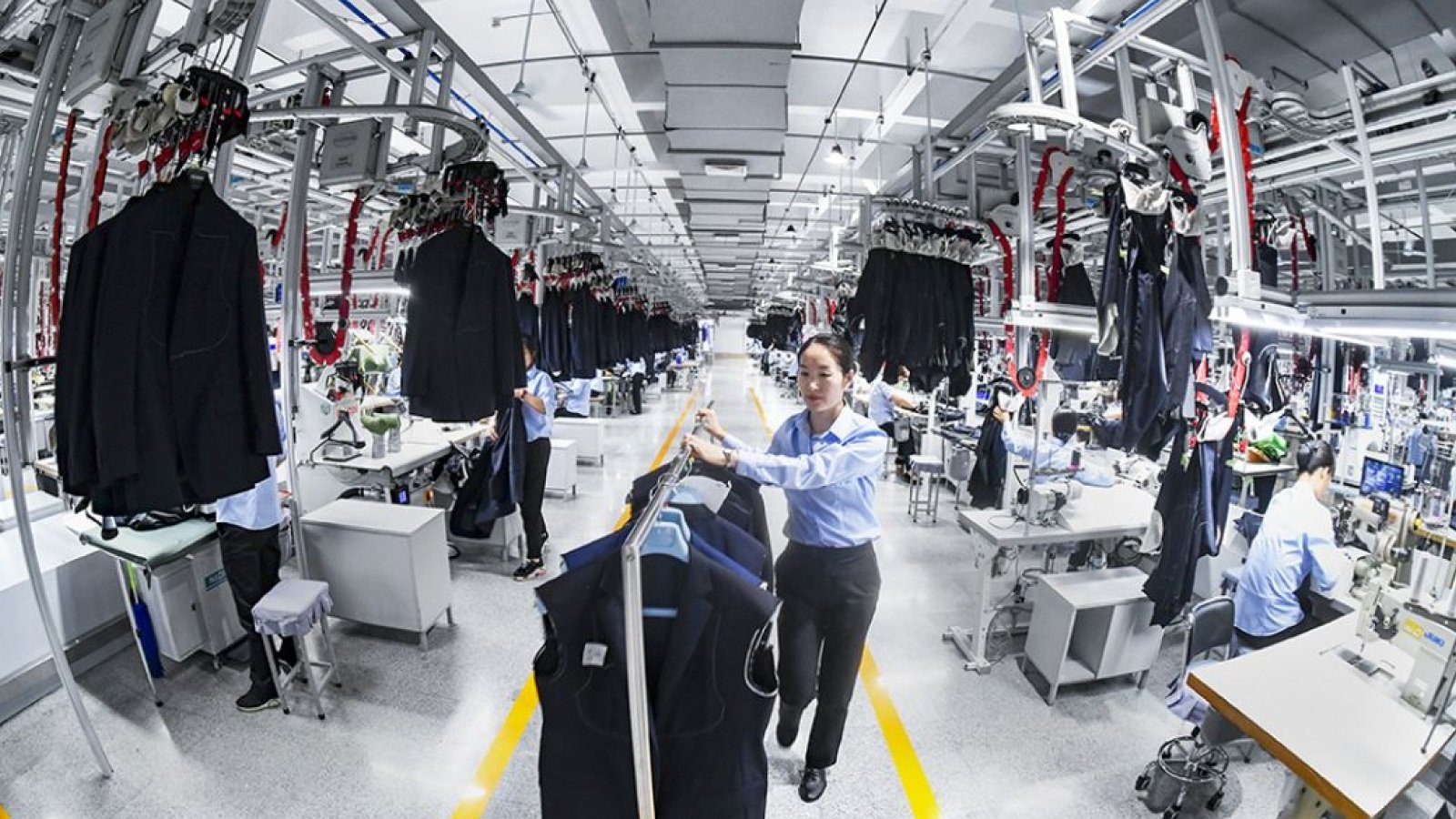
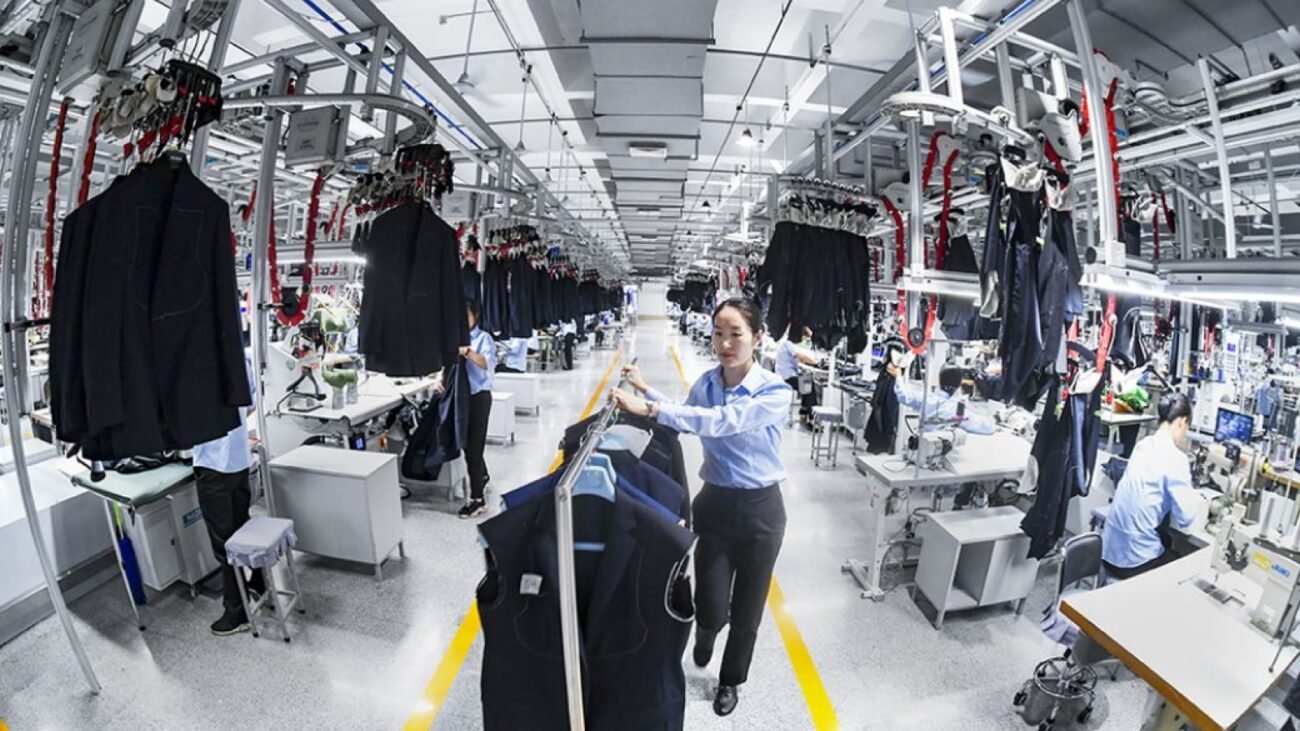
Two reasons. First, the supply chain depth. China doesn’t just sew clothes; it spins yarn, weaves fabric, knits, dyes, prints, embroiders, finishes, packs, and ships, often within a 50-kilometer radius. When you need 300gsm cotton at a specific weave with three colors and custom printing on 1,000 units, China can do it in 30 days. Vietnam can do it in 60. Bangladesh in 90. Second, the speed. Chinese apparel factories work faster than almost any other production country, and the cluster system (more on this below) means you can move from sample to production to shipped order in weeks, not months.
For brand owners and resellers, that speed and flexibility is the trade you make when you choose China over cheaper labour markets. You pay slightly more per unit, you get the product faster and with fewer headaches.
The four supplier types you’ll meet (and the trap most importers fall into)
Before we touch pricing, you need to understand who you’re actually buying from. The apparel industry in China has all four supplier types running at scale, and the differences matter more here than in almost any other category. Confusing one for another is the most common way first-time apparel importers overpay by 30 to 50 percent.